

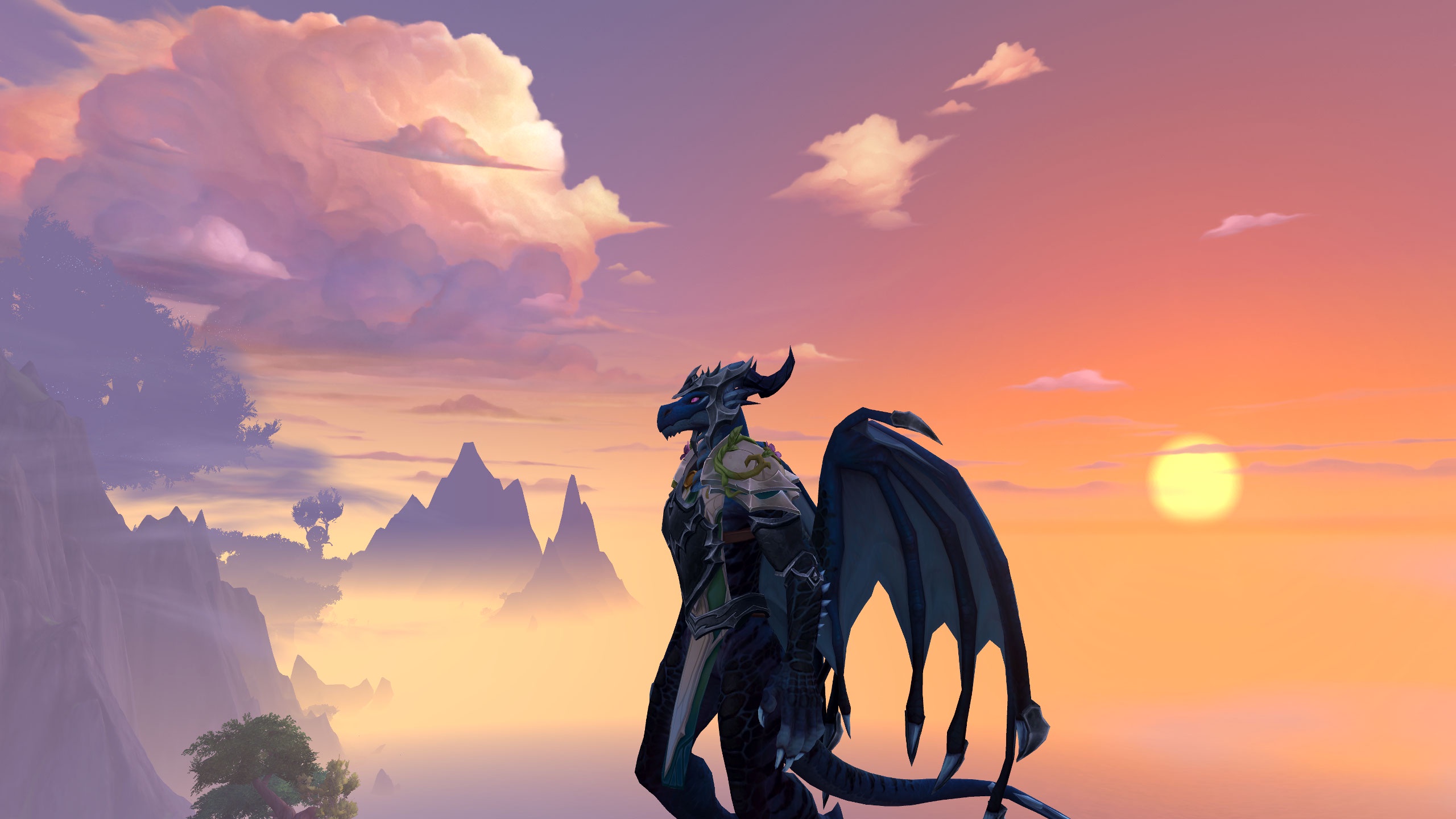
You’ve witnessed the whimsical wonder of World of Warcraft, where wizards and warriors weave stories within the tapestry of Azeroth. This titan of the MMORPG genre didn’t just capture the attention of gamers but also carved out a cultural niche that has endured for decades. As you reflect on its release back in 2004, it’s clear that WoW’s influence extends far beyond its own virtual borders. It’s sculpted the dynamics of multiplayer gaming, introducing a level of depth and community engagement that was previously unimagined. In the intricate dance of game development and player expectation, WoW has been the choreographer, setting a rhythm that many have followed but few have matched. If you’re curious about how this gaming giant has shaped the landscape of online interaction and entertainment, you’re on the verge of uncovering the pivotal elements that make World of Warcraft not just a game, but a genre-defining phenomenon.
Pioneering the MMORPG Standard
World of Warcraft didn’t just join the MMORPG scene—it redefined it, setting a new benchmark for what players expect from the genre. When you first stepped into Azeroth, you became part of an experience that was more than just a game; it was a phenomenon. WoW took the concept of online role-playing games and polished it to a sheen that glimmered across the industry.
Before WoW’s arrival, titles like Eve Online were carving out niches with their dedicated player bases. But WoW’s launch heralded a new era. It wasn’t long before its massive player base eclipsed those of its contemporaries, firmly establishing itself as the gold standard of MMORPGs.
As a popular game, WoW brought to the table a blend of detailed game spaces and a level of polish that was unmatched at the time. It wasn’t just about the size of the world or the number of quests; it was the quality of the content and the community that surrounded it. The bar was set high, and future MMORPGs had a new titan to compete with—a game that didn’t just play with the rules but rewrote them entirely.
Revolutionizing In-Game Economies
Building on its role in pioneering the MMORPG standard, WoW also revolutionized how in-game economies function, setting a precedent for virtual commerce. Before WoW, the MMO genre included games with economic systems, but they often lacked depth or widespread engagement. WoW introduced a vibrant marketplace that mimicked real-world dynamics, where you could truly feel the impact of supply and demand on everything from the auction house to trade chat.

Online games before WoW, like Meridian 59, had simpler economies that didn’t quite capture the complexity and tonal variety of a real market. But as a massively multiplayer online game, WoW created an environment where thousands of players interacted, each influencing the economy with their actions. You’d see seasoned traders manipulating the market, while casual players contributed to the flow by buying and selling goods as they adventured.
This intricate system encouraged you to learn the ebbs and flows of the market, making economic savvy just as important as combat skills. You weren’t just playing a game; you were participating in a living, breathing economy. The impact was profound, influencing how player-driven economies were designed in countless online games that followed. WoW’s in-game economy became a cornerstone of the MMO experience, teaching players about the complexities of virtual commerce.
Fostering Social Gaming Communities
Beyond its economic innovations, WoW also excelled in knitting together tight-knit social communities, transforming how players interact in online worlds. You’ve probably noticed how friendships forged in the realm of Azeroth can be just as real as those outside. That’s because WoW didn’t just create a game; it crafted a virtual society where you can be whoever you want to be, sharing adventures and creating memories with others who share your passions.

Here’s how WoW’s social impact stands out:
- Guilds as Second Families: Many players find a sense of belonging in their guilds, which act as tight-knit groups providing social support, camaraderie, and collective goals.
- In-Game Events: From holiday celebrations to server-wide raids, WoW’s events bring you together with others, creating a shared sense of time and place.
- Communication Tools: With integrated voice and text chat, you’re always just a few clicks away from coordinating with your allies or sharing a joke.
- Long-Term Friendships: Players often form lasting bonds, sometimes transitioning their in-game friendships into the real world.
WoW’s social ecosystem is a testament to its legacy. It’s shown you that MMOs aren’t just about questing alone; they’re about the people you meet and the community you build together.
Setting Records in Player Base
Capturing the hearts of millions, WoW set unprecedented records in its player base, becoming the standard by which all other MMOs are measured. You’ve likely heard the tales of its peak, where subscriber counts soared over 12 million, a number that’s become a high-water mark in the genre. That’s no small feat – it’s the epitome of what developers dream of when they launch a new title.

As you delve into the MMO landscape, you’ll find that WoW’s numbers aren’t just bragging rights; they’re a testament to its pervasive appeal. The game didn’t just attract players; it retained them with a mix of captivating lore, engaging gameplay, and continuous updates. You can’t ignore the significance of a game that, for years, kept millions of players glued to their screens, forging friendships and rivalries alike.
Influencing Game Design and Mechanics
World of Warcraft didn’t just amass a legion of players; it reshaped the MMO landscape by setting new standards for game design and mechanics.

As you’ve navigated Azeroth, you’ve seen firsthand how Blizzard’s behemoth has influenced countless games that followed. Let’s break down some key elements WoW brought to the table:
- Questing System: WoW refined the art of storytelling through quests, creating a more immersive experience that goes beyond “fetch this” or “kill that.”
- Balanced Class Design: It introduced a class system where each role feels vital, ensuring you’re not just another face in the raid but a key player with unique abilities.
- Accessible User Interface: The game’s UI set a benchmark for customization and ease of use, making it simple to dive into the action without being overwhelmed.
- Regular Content Updates: WoW established the expectation for continuous content updates, keeping the world dynamic and the gameplay fresh.
You’ve seen these influences in action, whether you’re a veteran or a newcomer. And as you look at newer MMOs, you’ll notice traces of WoW’s DNA woven into their core, testament to the lasting impact of this genre-defining giant.
Frequently Asked Questions
How Has ‘World of Warcraft’ Affected the Development and Sustainability of Smaller, Indie MMO Projects?
You’re facing tough competition in MMO development, as smaller projects must innovate beyond established norms to attract a dedicated player base and maintain relevance in a market dominated by larger, well-funded games.
In What Ways Has ‘World of Warcraft’ Influenced the Portrayal of Cultural Narratives and Diversity Within the MMO Genre?
You’d think MMOs would be melting pots of culture, but without a certain game’s lead, they might’ve stuck to monotonous tales. Now, they’re embracing diverse narratives, inspired by that unnamed trendsetter.
Has ‘World of Warcraft’ Impacted the Way Educational and Non-Entertainment Focused MMOs Are Designed and Utilized?
You’ve seen educational MMOs evolve, but not solely because of entertainment-focused predecessors. They’re designed with specific learning objectives, which can be quite different from those found in a game like World of Warcraft.
How Did ‘World of Warcraft’ Shape the Discussion Around Mental Health and Gaming Addiction Within the Context of Mmos?
You’re immersed in MMOs, where virtual worlds captivate. Yet, discussions on gaming addiction and mental health loom large, with dialogues deepening understanding, fostering awareness without singling out a particular game’s influence.
What Role Has ‘World of Warcraft’ Played in the Evolution of Cross-Platform and Mobile MMO Gaming Experiences?
You’ve likely noticed cross-platform and mobile MMOs are booming, but it’s not just because of WoW. They’ve evolved with broader tech advances and changing player demands for accessibility and convenience.
Forge on, champion—your legacy is etched with every conquered objective


Leave a Reply