

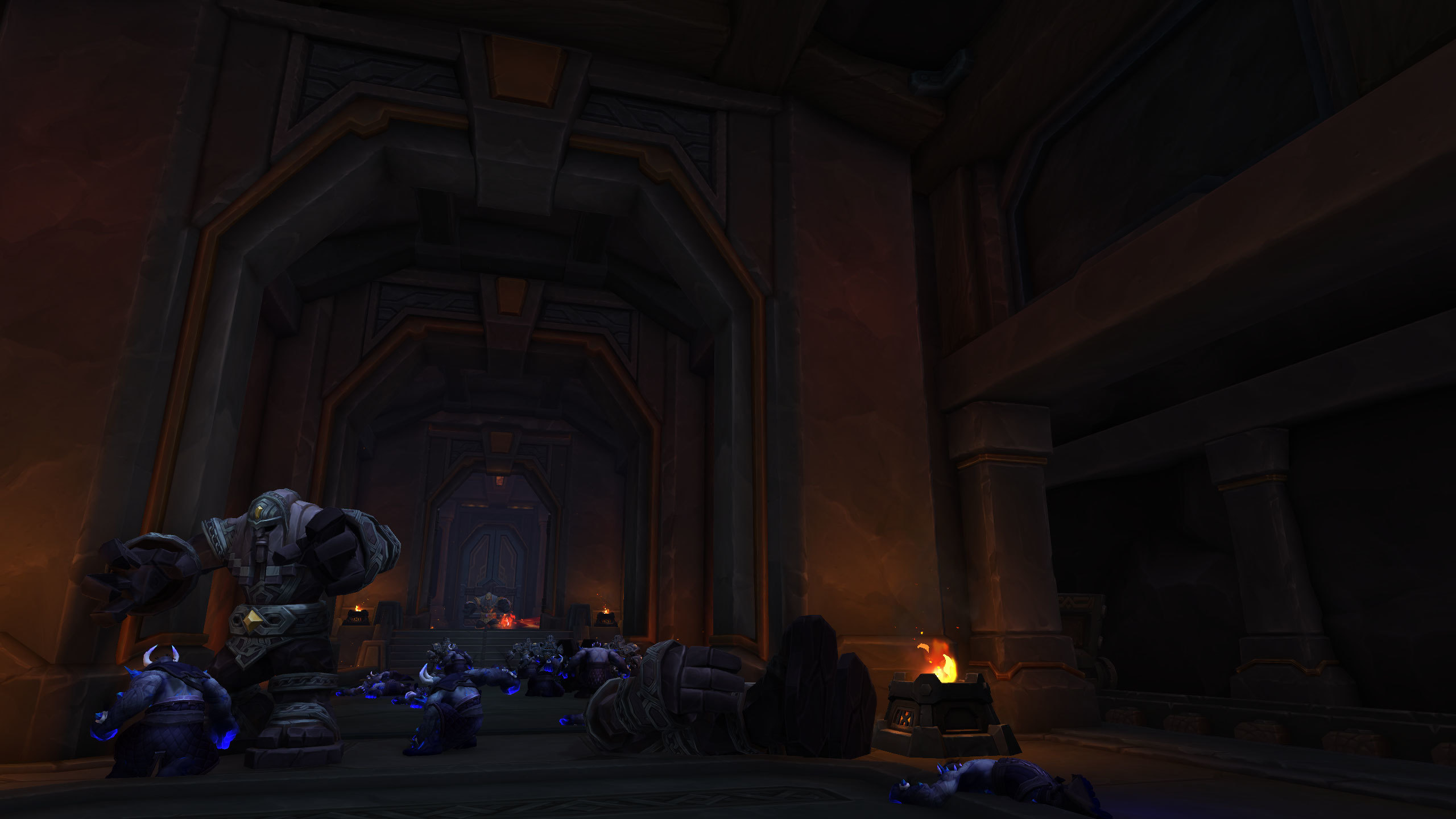
Endgame dungeons are increasingly built around motion rather than static positioning. Modern encounters expect players to stay mobile, read the environment continuously, and react to spatial threats in real time. Standing still is often punished through ground effects, moving hazards, and overlapping enemy abilities that force constant relocation. This design shift changes how players approach dungeons, turning movement itself into a core skill rather than a secondary concern.

Movement Is No Longer Optional
Older dungeon designs often allowed groups to plant themselves in safe spots and focus on rotations. Current endgame dungeons remove that comfort. Enemies create expanding danger zones, rotating mechanics, and pressure that follows players through the space. Tanks reposition packs frequently, healers adjust range constantly, and damage dealers must maintain output while relocating. Players who fail to move decisively quickly fall behind or put the group at risk.
Spatial Awareness Replaces Static Knowledge

Knowing where to stand matters less than knowing where to move next. Successful groups read the dungeon layout dynamically, anticipating safe paths and future danger zones. Corners, elevation changes, and narrow passages influence how mechanics resolve. Players must track not only enemies, but also teammates, ensuring movement does not disrupt healing range or pull extra packs.
Environmental Pressure Raises Difficulty

Dungeon environments now actively participate in combat. Rotating beams, collapsing floors, and moving obstacles force players to divide attention between enemies and terrain. This pressure increases difficulty without relying solely on higher damage numbers. Groups that communicate movement clearly and reposition together handle these mechanics far more cleanly than those reacting individually.
| Design Element | Player Challenge | Required Skill |
|---|---|---|
| Moving ground effects | Forced relocation | Awareness |
| Narrow corridors | Limited space | Position control |
| Rotating hazards | Timing pressure | Anticipation |
| Chained mechanics | Overlapping threats | Group coordination |
Group Movement Becomes a Shared Responsibility
Movement-focused design rewards groups that move together. Tanks signal repositioning early, healers plan movement windows, and damage dealers respect spacing. When movement is coordinated, pressure feels manageable. When it is not, even simple mechanics can spiral into chaos.
Conclusion

Endgame dungeon design now emphasizes constant movement and spatial awareness as core skills. Players must stay alert, adapt positioning quickly, and treat the environment as an active threat. Groups that master coordinated movement gain control over encounters and succeed where static playstyles fail.


Leave a Reply